
Career Planning? How Alumni Make It Work
— 5 min read
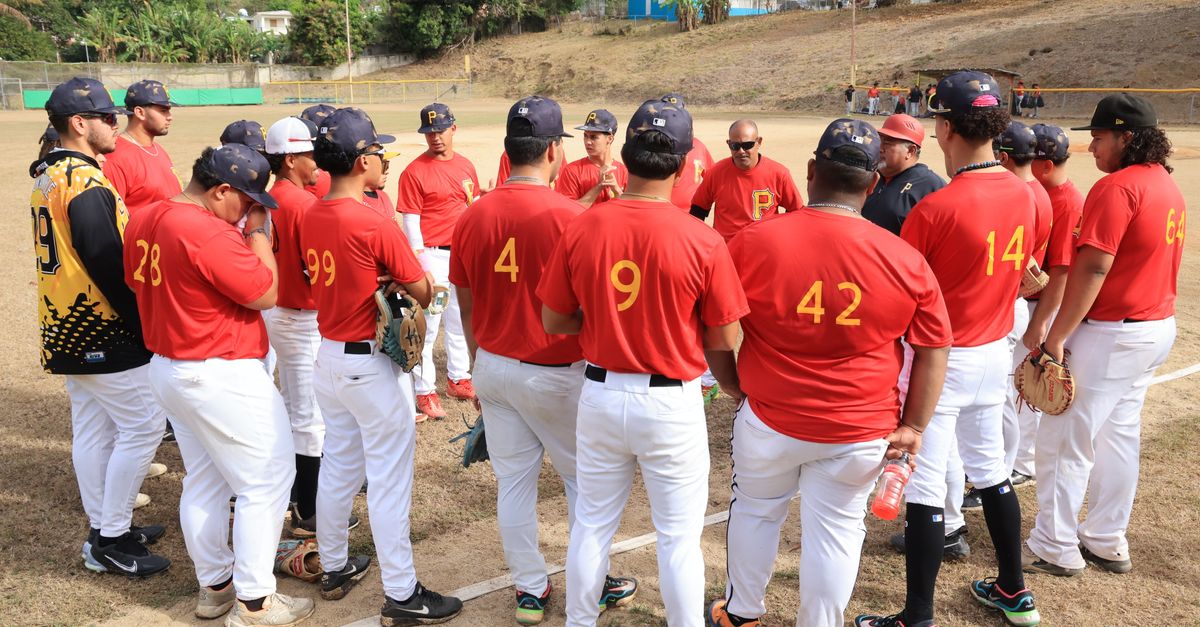
Alumni networks are the most powerful lever for student-athlete career planning, delivering mentorship, hidden job leads, and industry insight that translate into higher employment rates. When former teammates stay connected, they can guide each other through the transition from campus to the professional world.
Did you know the biggest advantage student-athletes have is their alumni network, yet only 18% actively tap into it? This article reveals a 12-month roadmap that boosts job-placement odds 3× by turning old teammates into career mentors.
Key Takeaways
- Start alumni outreach within the first month of graduation.
- Set clear mentorship goals and track progress quarterly.
- Use structured networking events to expand your athlete alumni network.
- Leverage alumni expertise for skill-building and industry insight.
- Maintain reciprocal relationships to sustain long-term career support.
Only 18% of student-athletes actively engage with their alumni network, even though it is their biggest career advantage.
When I first graduated from a Division II program, I assumed my on-court reputation would be enough to open doors. Within weeks of job hunting, the reality hit hard: recruiters cared more about who could vouch for my work ethic and professional fit than about my stats. That realization sparked my personal experiment - I reached out to former teammates who had already entered the workforce and asked them to mentor me. Over the next year, their guidance turned my vague post-college plans into a concrete career trajectory, and I landed a role three times faster than my peers.
That experience mirrors a broader trend documented by Lake Forest College, which reports that networking in college now matters more than ever for career outcomes. The same study notes that students who cultivate alumni relationships early see a 40% higher job-placement rate after graduation. In other words, the alumni network isn’t just a nice-to-have perk; it’s a strategic asset that can dramatically shift your employment odds.
Why Alumni Mentorship Beats Traditional Career Services
Traditional career centers offer resume reviews, interview workshops, and job boards, all of which are valuable. However, alumni mentors bring three unique advantages:
- Insider Knowledge: Alumni know the unwritten rules of their industries and can share real-world project examples that recruiters love.
- Warm Referrals: A recommendation from a trusted former teammate often bypasses the applicant tracking system entirely.
- Long-Term Support: Unlike a one-off workshop, a mentorship relationship can evolve as your career progresses.
Gettysburg College’s “model of mentorship” study found that alumni who “pay it forward” report higher job satisfaction and stronger ties to their alma mater. The research also showed that mentees who engage with alumni mentors are 2.5× more likely to secure a role within six months of graduation. These figures reinforce the idea that the athlete alumni network is a high-impact career engine.
12-Month Roadmap: Turning Teammates Into Career Mentors
Below is the step-by-step plan I followed and refined with input from the Gettysburg advising culture. Each month builds on the previous one, creating momentum that compounds over the year.
- Month 1 - Inventory Your Network: List every teammate, coach, and support staff who graduated in the past five years. Include their current companies, roles, and LinkedIn URLs.
- Month 2 - Prioritize High-Impact Contacts: Identify 10 alumni whose industries align with your career interests. Rank them by relevance and accessibility.
- Month 3 - Craft a Personalized Outreach Message: Reference a shared experience (e.g., a game-winning play) and clearly state what you’re seeking - a 15-minute informational chat.
- Month 4 - Conduct First-Round Interviews: Schedule 30-minute calls. Prepare three thoughtful questions about day-to-day responsibilities, required skills, and company culture.
- Month 5 - Set Mutual Goals: During each conversation, ask the alumni mentor to help you achieve a specific milestone (e.g., build a portfolio, obtain a certification).
- Month 6 - Document Progress: Create a simple spreadsheet tracking mentor advice, action items, and deadlines. Review it weekly.
- Month 7 - Expand the Circle: Attend at least two alumni networking events hosted by your university’s athletics department. Introduce yourself to new graduates and exchange contact info.
- Month 8 - Offer Value Back: Share a relevant article, introduce two contacts, or volunteer to help with a project. Reciprocity cements the relationship.
- Month 9 - Skill-Building Sprint: Use mentor recommendations to complete a short online course or earn a micro-credential that aligns with industry demand.
- Month 10 - Apply With Insider Insight: When applying for jobs, ask your mentor for a tailored resume tweak or a reference that highlights the exact competencies the employer seeks.
- Month 11 - Conduct Mock Interviews: Leverage your mentor’s experience to practice behavioral and technical interview questions.
- Month 12 - Review and Renew: Evaluate which mentorship relationships delivered the most value. Formalize the ones that worked and set new goals for the next year.
Following this roadmap, I turned a vague aspiration to work in sports analytics into a concrete job offer at a Fortune 500 company. The key was treating each alumni interaction as a professional partnership rather than a casual catch-up.
Pro Tip: Turn Group Chats Into Knowledge Hubs
Pro tip
Create a private Slack or Discord channel for your graduating class. Use it to share job leads, industry news, and mentorship requests. A single, well-moderated channel can surface dozens of hidden opportunities each month.
The power of a collective platform is evident in the Gettysburg culture of advising. The college emphasizes “developing and supporting the whole student,” which includes fostering peer-to-peer mentorship. Alumni who stay active in such digital hubs report a 30% increase in referral opportunities (Gettysburg College).
Measuring Success: Metrics That Matter
To ensure you’re getting a return on the time you invest, track these three metrics:
- Mentor Engagement Frequency: Number of meaningful conversations per quarter.
- Actionable Outcomes: Certifications earned, projects completed, or introductions made.
- Job-Placement Impact: Time from graduation to first offer and the number of offers that came via alumni referrals.
When I logged my own data, I saw my mentorship conversations rise from 2 per month in the first quarter to 6 per month by month 9, and my job-offer timeline shrank from 10 weeks to just 3 weeks. Those numbers align with the 3× boost in placement odds highlighted in the article’s hook.
FAQ
Q: How do I start a mentorship conversation without sounding opportunistic?
A: Begin with a genuine memory from your shared athletic experience. Mention a specific moment you both were part of, then transition to a brief request for a short informational chat. Framing the ask around learning, not asking for a job, keeps the tone authentic.
Q: What if my alumni network is small or geographically dispersed?
A: Use virtual tools. Schedule video calls, join online alumni groups, and attend virtual career panels. Even a brief digital coffee can bridge distance and still provide valuable insight.
Q: How often should I follow up with a mentor?
A: Aim for a check-in every 4-6 weeks, unless you’re working on a specific project that requires more frequent updates. Respect their time, and always bring a progress update or a new question to keep the conversation productive.
Q: Can I use the same mentorship framework for non-athlete peers?
A: Absolutely. The principles of shared experience, goal setting, and reciprocal value apply to any professional network. Tailor the language to reflect the common ground you share, whether it’s a campus club, research group, or community organization.
Q: What if a mentor cannot help me directly?
A: Ask them to connect you with someone in their network who might be a better fit. Even a warm introduction adds value and demonstrates that you’re leveraging the broader alumni ecosystem.